Scripture & Faith
Songs inspired by scripture, covenants, Restoration teachings, and stories of faith.

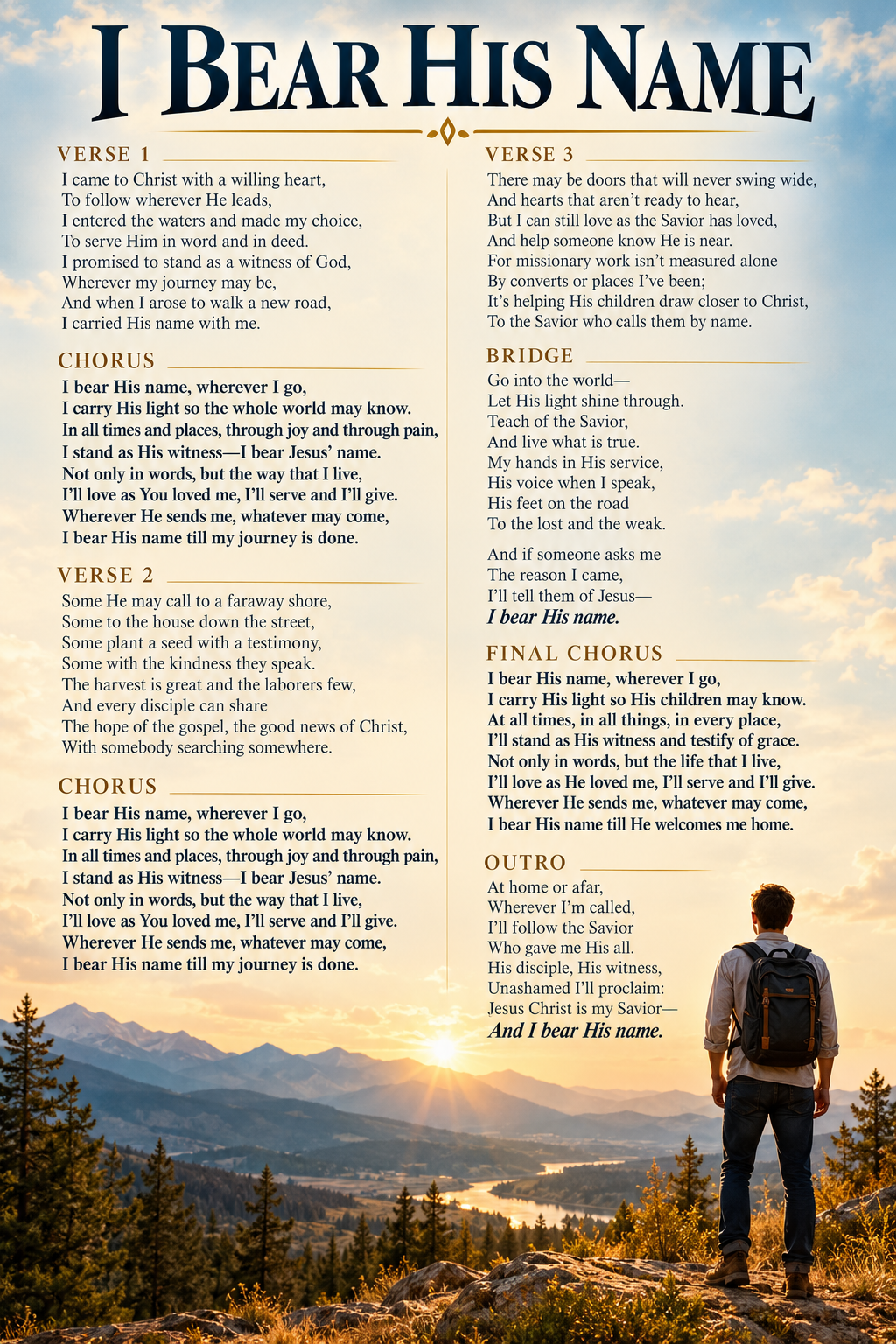
I Bear His Name
About This Song
I Bear His Name is about what it means to take the name of Jesus Christ upon ourselves—not simply as a name we profess, but as a covenant that changes how we live. The song follows that idea from baptism into everyday discipleship: carrying His name into our choices, our service, and the way we treat others. To bear His name is to remember whom we follow and to try to represent Him at all times, in all things, and in all places.
Read More
Mosiah 5:5–12 — taking upon us the name of Christ
Mosiah 18:8–10 — baptism and standing as witnesses of God
Doctrine & Covenants 20:77 — willingness to take Christ’s name and remember Him
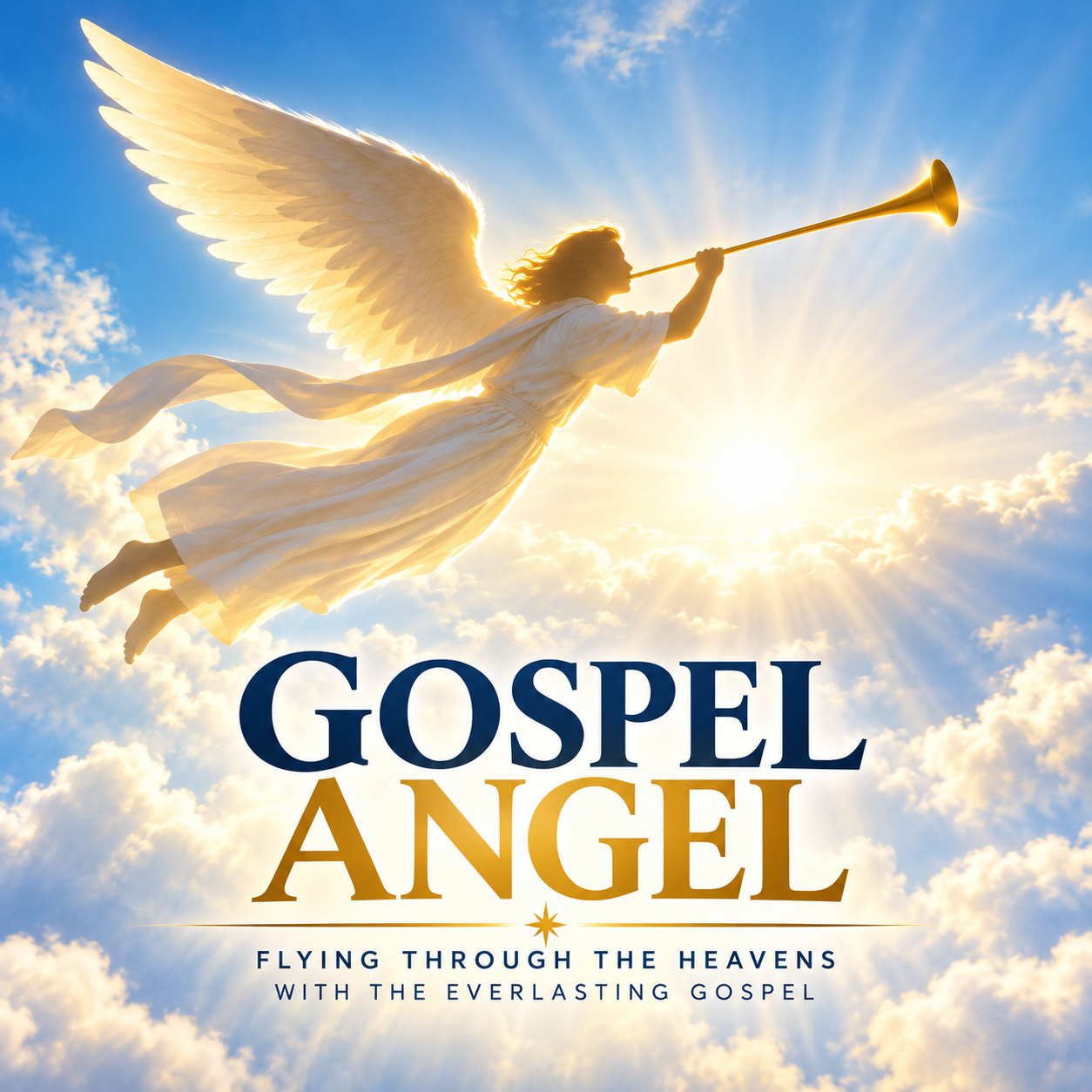
Gospel Angel
About This Song
Gospel Angel begins with two verses that can sound like a contradiction: Revelation foretells an angel carrying the everlasting gospel, while Galatians warns against an angel preaching another gospel. The difference is the message. The Restoration does not replace Jesus Christ—it bears another witness of the same risen Lord and His everlasting gospel.
Read More
Revelation 14:6–7 — the angel with the everlasting gospel
Galatians 1:8–9 — the warning against a different gospel
3 Nephi 11:9–17 — the risen Christ appears and invites His people to know Him
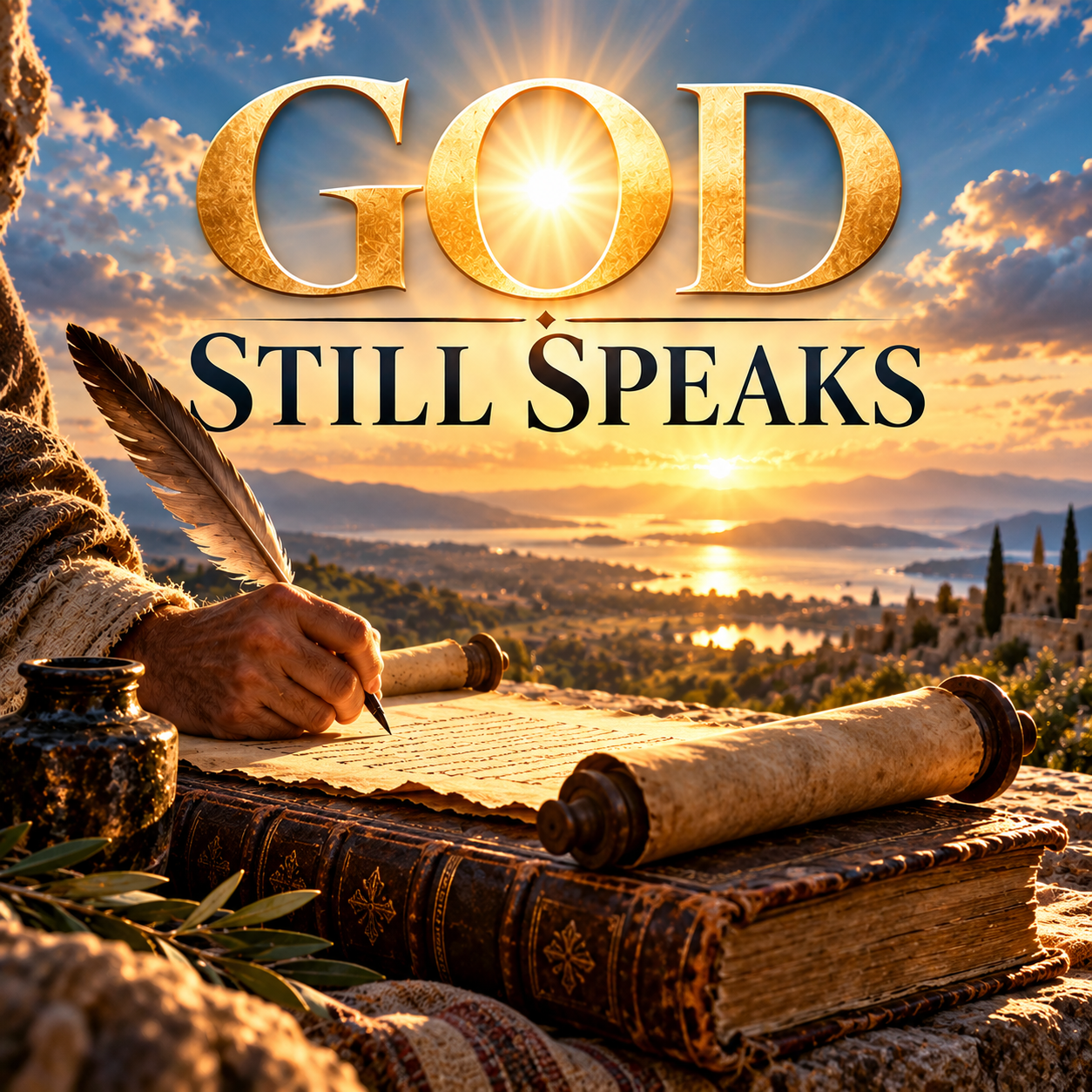
God Still Speaks
About This Song
God Still Speaks pushes back on the idea that God finished speaking when the Bible was complete. Scripture itself describes a God who speaks to many nations, preserves more than one record, and gathers those witnesses together. If He is the same God yesterday, today, and forever, we should not be surprised that His voice is still heard.
Read More
2 Nephi 29:3–12 — “A Bible! A Bible!” and God’s words to many nations
Ezekiel 37:15–19 — the records of Judah and Joseph joined together
Amos 3:7 — God reveals His secrets through prophets
.png)
The God Who Weeps
About This Song
The God Who Weeps comes from one of scripture’s most striking scenes: Enoch sees the God of heaven weeping over His children. His tears are not weakness. They reveal a Father who gives His children agency, grieves when they choose hatred and violence, and still reaches toward them with mercy and redemption.
Read More
Moses 7:28–33 — Enoch sees God weep over His children
Moses 7:36–41 — Enoch begins to understand heaven’s sorrow
Moses 7:44–47 — hope turns toward the coming of Jesus Christ

Help Thou My Unbelief
About This Song
Help Thou My Unbelief is for anyone who wants to believe but is not sure their faith is strong enough. It brings together the father who cried, “help thou mine unbelief,” with Alma’s invitation to begin with even a desire to believe. Faith does not have to begin as certainty; it can begin as a seed we are willing to plant and nourish.
Read More
Mark 9:23–24 — a father asks Christ to help his unbelief
Alma 32:26–28 — begin with a desire and experiment upon the word
Alma 32:40–43 — nourish the tree until faith bears fruit

Help Thou My Unbelief (Celtic)
About This Song
This Celtic version tells the same faith journey as the original, but in a different musical language. The message is unchanged: imperfect faith is still a place to begin, and a small desire—patiently nourished—can grow into something we eventually know for ourselves.
Read More
Mark 9:23–24 — “Lord, I believe; help thou mine unbelief”
Alma 32:27–28 — give place for a portion of God’s word
Alma 32:41–43 — faith and patience lead to the fruit of the tree
All My Sins (To Know Thee)
About This Song
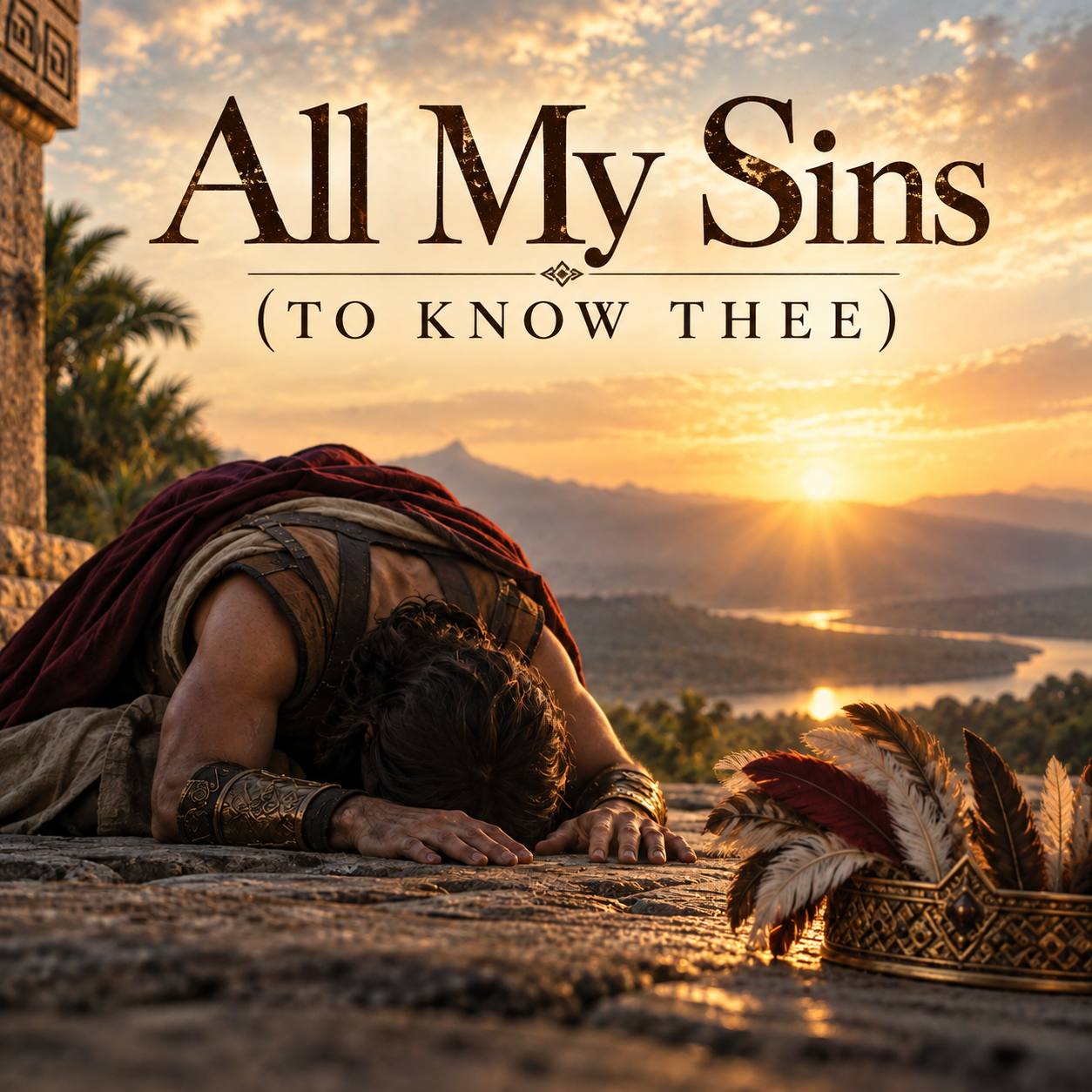
All My Sins follows the remarkable change of King Lamoni’s father. A powerful king begins by offering part of his kingdom, then all of it—but finally realizes that knowing God requires a different kind of surrender: “I will give away all my sins to know thee.” The song asks what we are willing to lay down when what we really want is God.
Read More
Alma 20:23–27 — the king is willing to give up part of his kingdom
Alma 22:15–18 — he offers everything—and then his sins—to know God

Lost Luggage (Redeemed Souls)
About This Song
Lost Luggage began with a simple contrast: we lose track of things all the time, but God never loses track of His children. People can feel misplaced, overlooked, or far from home, yet every soul remains known to Him. Sometimes discipleship simply means noticing the person He has placed in our path.
Read More
Luke 15:3–7 — the shepherd goes after the one who is lost
Doctrine & Covenants 18:10–16 — the worth of souls is great in the sight of God
Mosiah 18:8–9 — bear burdens, mourn, comfort, and stand as witnesses
Preaching to the Dead
About This Song
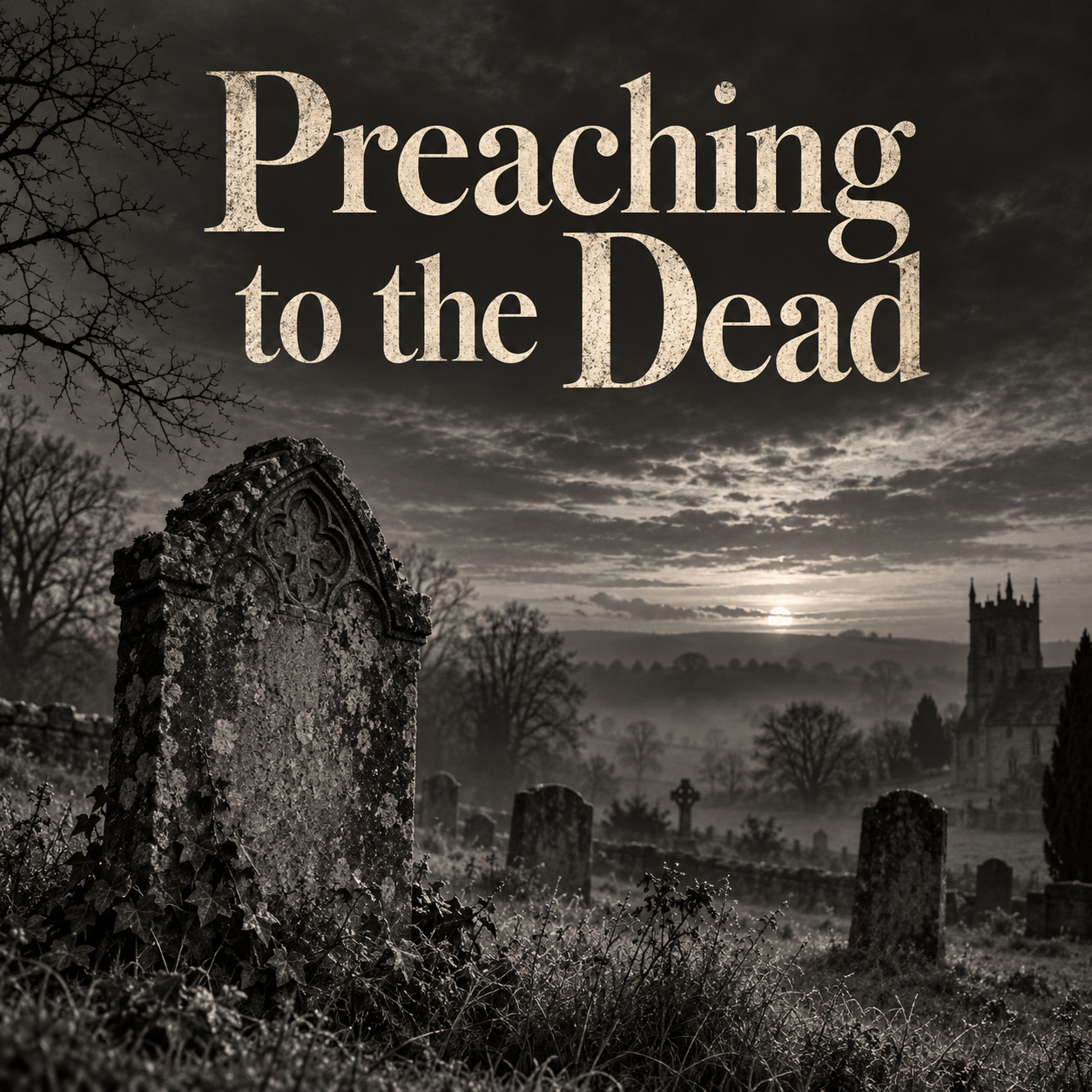
Preaching to the Dead starts with a phrase that sounds almost absurd—until you realize how seriously the New Testament speaks of Christ’s gospel reaching the dead. Restoration scripture opens that idea further: the faithful continue the work of teaching in the world of spirits, so death does not place anyone beyond the reach of Christ’s invitation.
Read More
1 Peter 3:18–20 — Christ goes to the spirits in prison
1 Peter 4:6 — the gospel was preached also to the dead
Doctrine & Covenants 138:28–37 — the righteous are organized to carry the gospel to the dead
Chains of Hell
About This Song
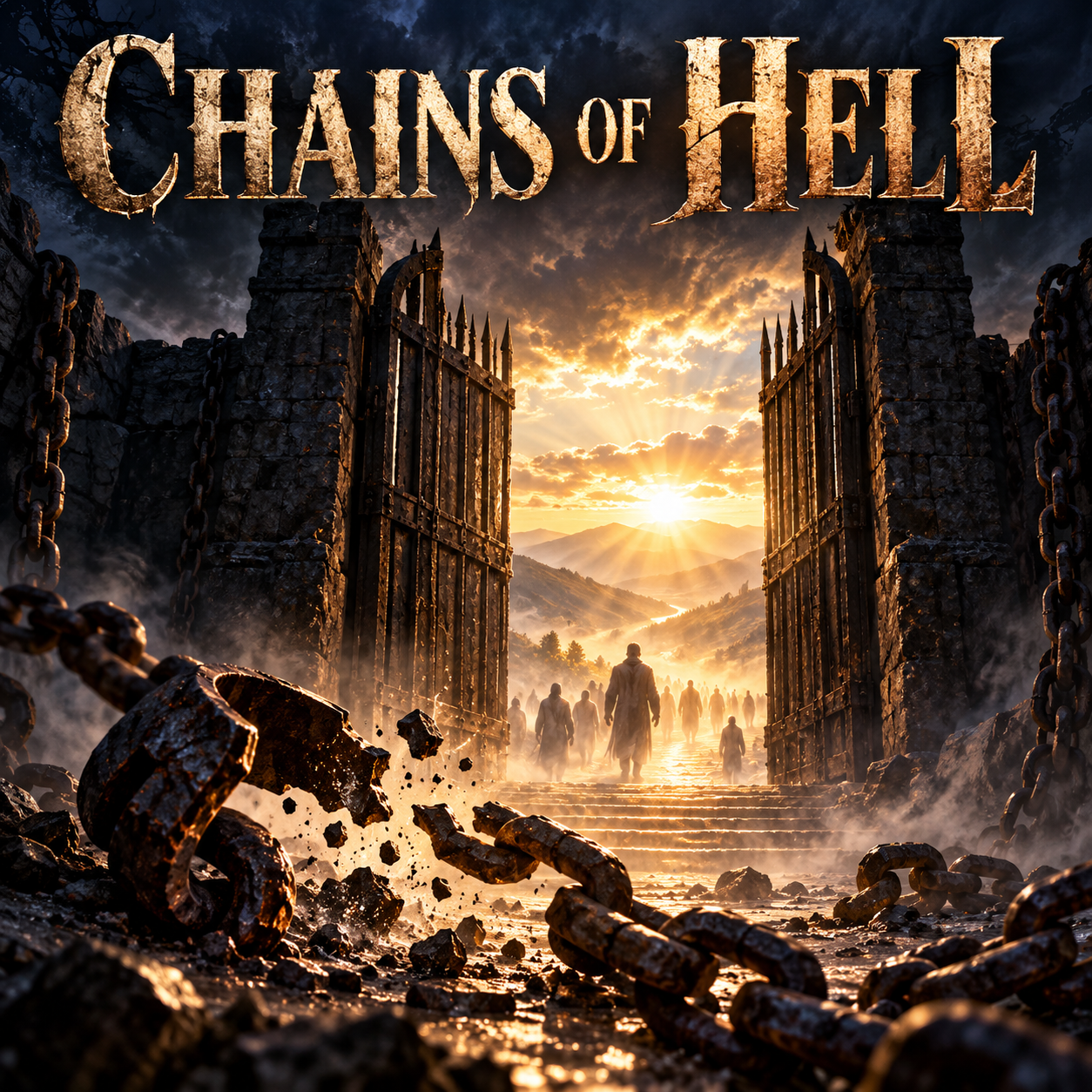
Chains of Hell looks at spirit prison not as the end of hope, but as another place where the Savior’s redeeming work reaches. The dead are taught, can repent, and may accept the work performed for them on earth. The chains are real—but through Jesus Christ, they do not have to remain closed forever.
Read More
Doctrine & Covenants 138:30–35 — messengers carry light to those in darkness
Doctrine & Covenants 138:57–59 — the dead are taught faith, repentance, and ordinances performed on their behalf
Isaiah 61:1 — liberty to the captives and the opening of the prison

Genesis of the Family (The Eternal Pattern)
About This Song
Genesis of the Family looks at Adam and Eve not only as the first people, but as the beginning of a pattern that runs through scripture: man and woman, covenant, children, generations, and redemption through Christ. Even the Fall moves the story forward—into mortality, parenthood, choice, and the need for a Redeemer.
Read More
Genesis 2:18, 24 — companionship and becoming one flesh
Moses 5:10–12 — Adam and Eve rejoice in what becomes possible through the Fall and redemption
2 Nephi 2:22–25 — the Fall makes mortality and joy possible
Faith of My Father
About This Song
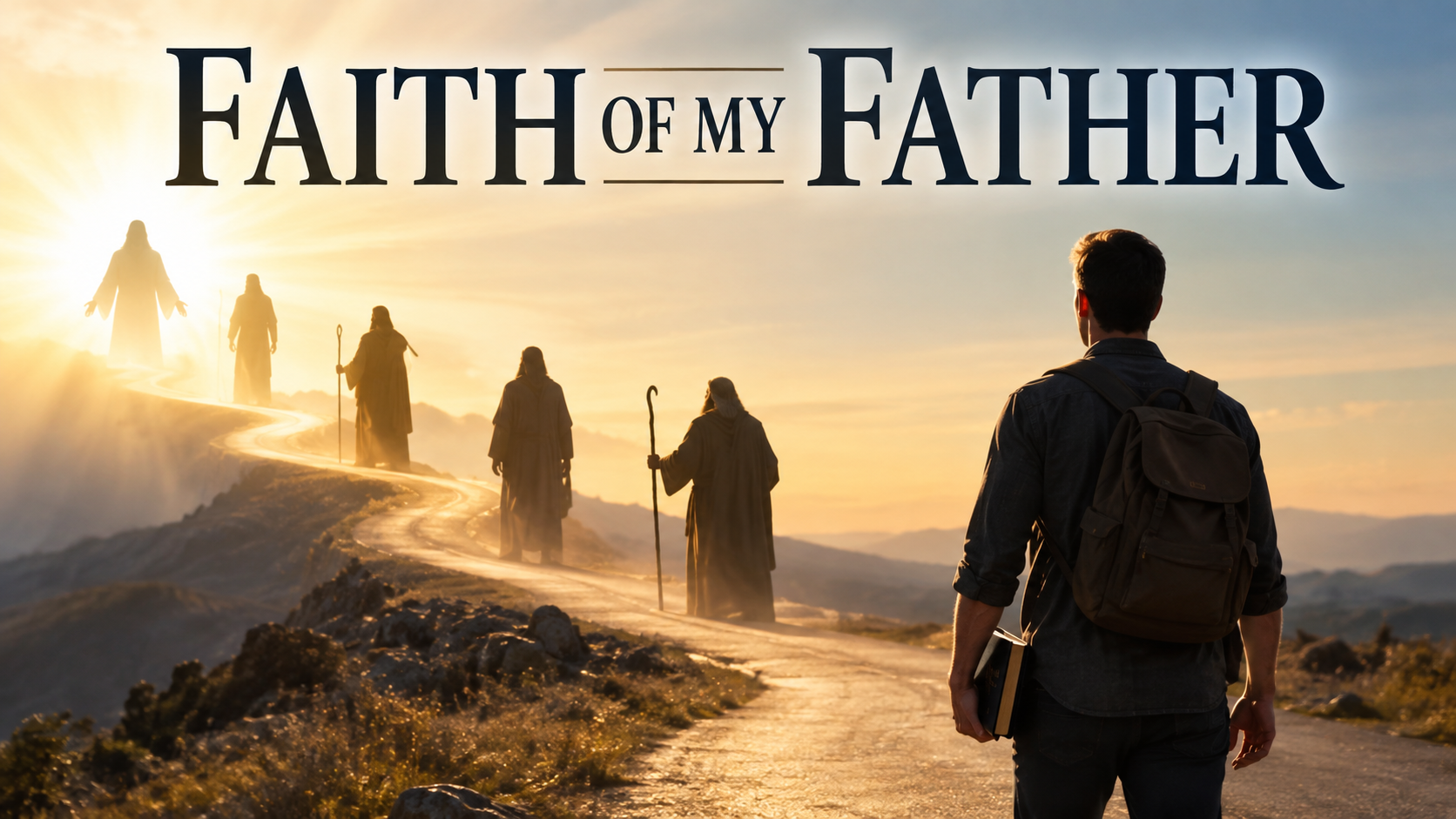
Faith of My Father is about choosing to trust our Father in Heaven when we do not yet have every answer. Faith is not pretending questions do not exist; it is deciding where to stand while we keep seeking. Sometimes the first faithful step is simply to hold to what God has already given us and keep walking toward greater light.
Read More
Proverbs 3:5–6 — trust in the Lord rather than leaning only on our own understanding
Alma 32:21 — faith is not a perfect knowledge
Doctrine & Covenants 6:36 — look unto Christ in every thought; doubt not, fear not

The Writing on the Wall
About This Song
The Writing on the Wall begins with Belshazzar’s famous warning in Babylon, then turns to a much less familiar Book of Mormon story: Aminadi also interpreted writing from God on a wall. Not every message from heaven announces a kingdom’s fall. The larger question is whether we recognize God’s voice—and what we do when we do.
Read More
Daniel 5:5–6, 17–28 — the hand writes judgment on Belshazzar’s wall
Alma 10:2–3 — Aminadi interprets writing made by the finger of God
2 Corinthians 3:3 — God’s message written in the heart
King of Peace
About This Song
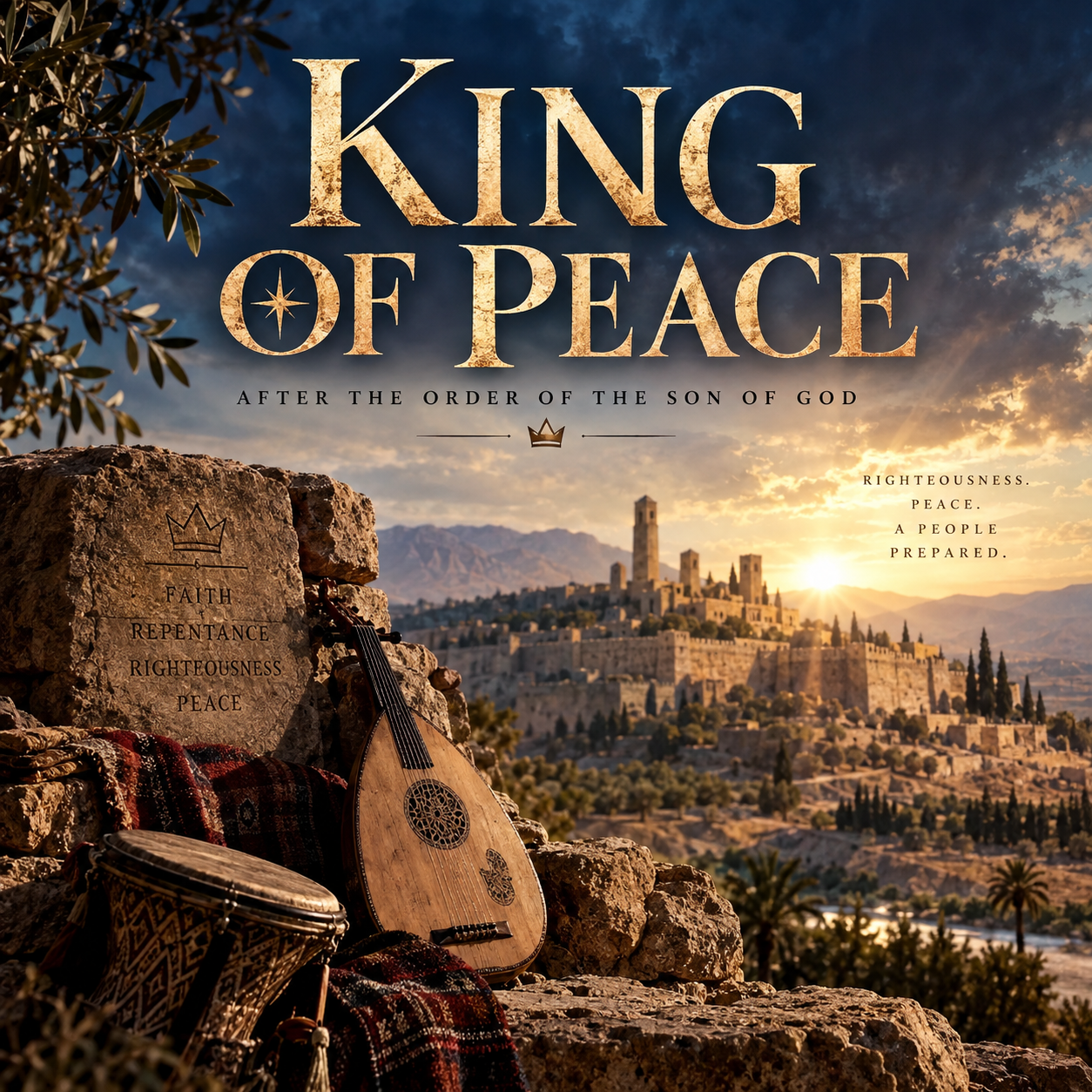
King of Peace looks beyond Melchizedek’s title to the kind of life his priesthood represents. He exercised mighty faith, preached repentance and righteousness, and helped a troubled people establish peace. Those who follow the order of the Son of God are called toward the same pattern: faith in Christ, righteousness, service, and becoming makers of peace.
Read More
Alma 13:14–19 — Melchizedek’s faith, preaching, righteousness, and peace
Doctrine & Covenants 107:2–4 — the priesthood is the Holy Priesthood, after the Order of the Son of God
Matthew 5:9 — blessed are the peacemakers
The Earth Shall Answer (Eternal Families)
About This Song
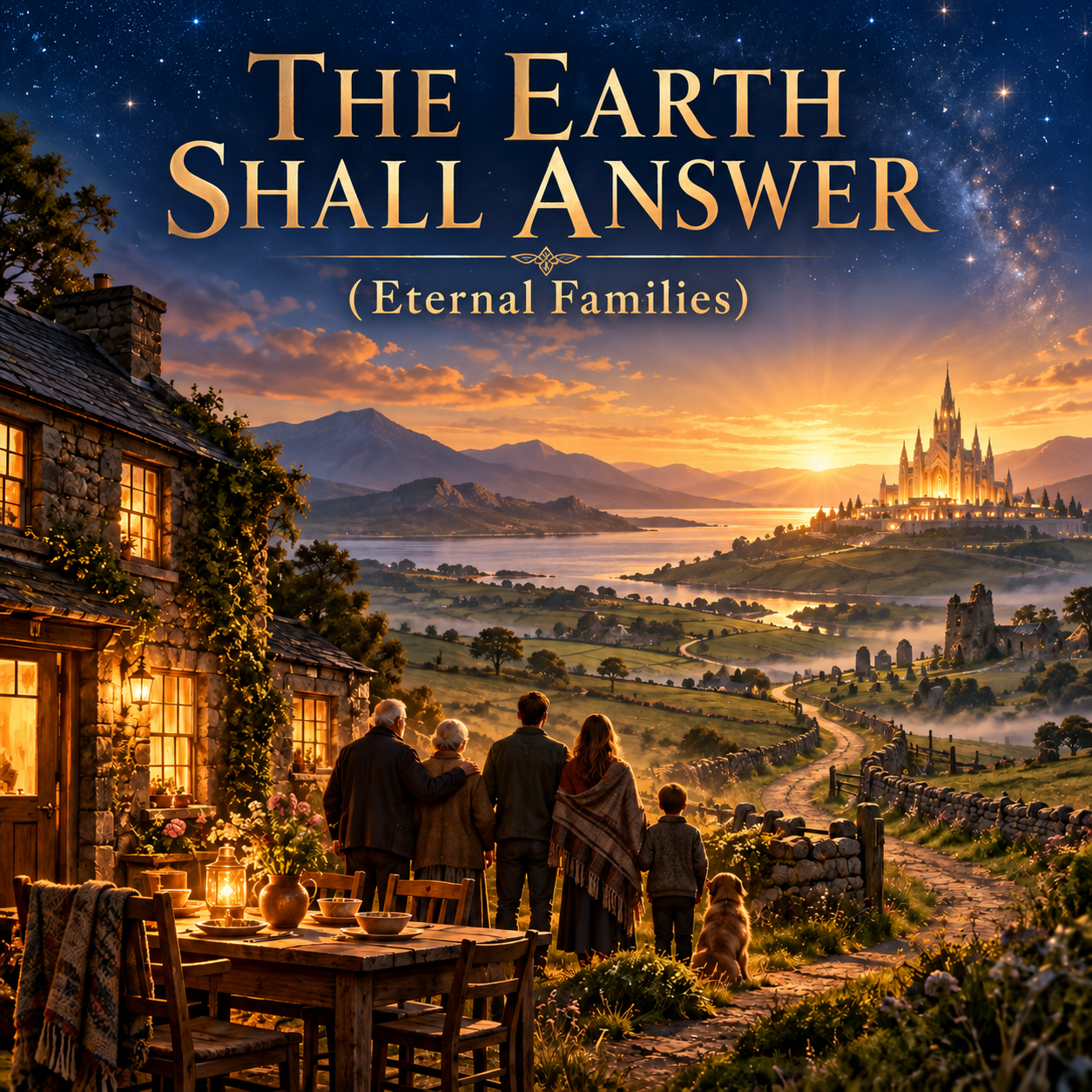
The Earth Shall Answer is about why eternal families are not just a comforting addition to the gospel plan—they are part of its purpose. Scripture says marriage helps the earth “answer the end of its creation,” while Malachi warns that without the sealing of generations the whole earth would be wasted. The sealing power turns individual salvation toward one great family of God.
Read More
Doctrine & Covenants 49:15–17 — marriage is ordained of God so the earth may answer the end of its creation
Malachi 4:5–6 — hearts of children and fathers are turned toward one another
Doctrine & Covenants 2:1–3 — without the sealing work, the whole earth would be utterly wasted
Brothers Still
About This Song
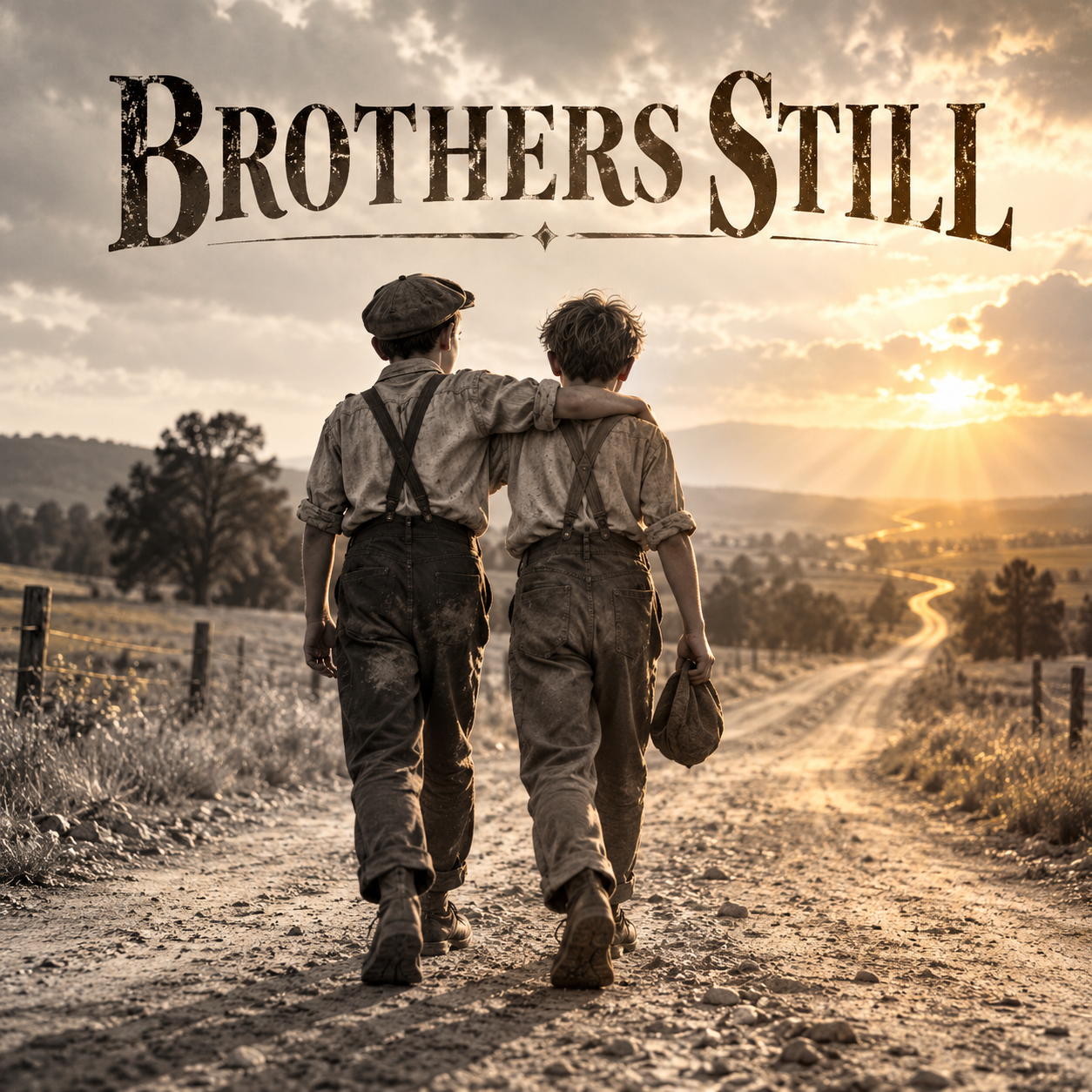
Brothers Still is about one of the quiet rewards of discipleship: the people we meet again after years of serving God in different places. When Alma and the sons of Mosiah reunited, their joy was even greater because they were still brothers in the Lord. Time and distance had changed them, but shared faith had made the friendship deeper.
Read More
Alma 17:1–4 — Alma reunites with the sons of Mosiah and rejoices that they are still his brethren in the Lord
Mosiah 28:1–3 — the desire that sent the sons of Mosiah out to preach

Before I Had a Name
About This Song
Before I Had a Name imagines a child’s story beginning before birth. Long before parents choose a name or hold a baby in their arms, each child is already known to God. The song celebrates earthly parents and families while pointing back to an even older identity: we are first children of a Heavenly Father.
Read More
Jeremiah 1:5 — God knew Jeremiah before his birth
Doctrine & Covenants 93:29 — intelligence was with God in the beginning
Hebrews 12:9 — God is the Father of spirits

Worlds Without Number
About This Song
Worlds Without Number begins with the scale of creation and ends with something even more astonishing: the God who made worlds without number still knows His children. Moses was shown creation vast enough to overwhelm him, yet God’s work remains deeply personal—to bring to pass the immortality and eternal life of His children.
Read More
Moses 1:27–33 — Moses sees worlds without number
Moses 1:35–39 — God’s creations are countless, yet His work is the eternal life of His children
Psalm 8:3–5 — the wonder that God is mindful of us amid His creation
The Secret of God (Have You Heard?)
About This Song
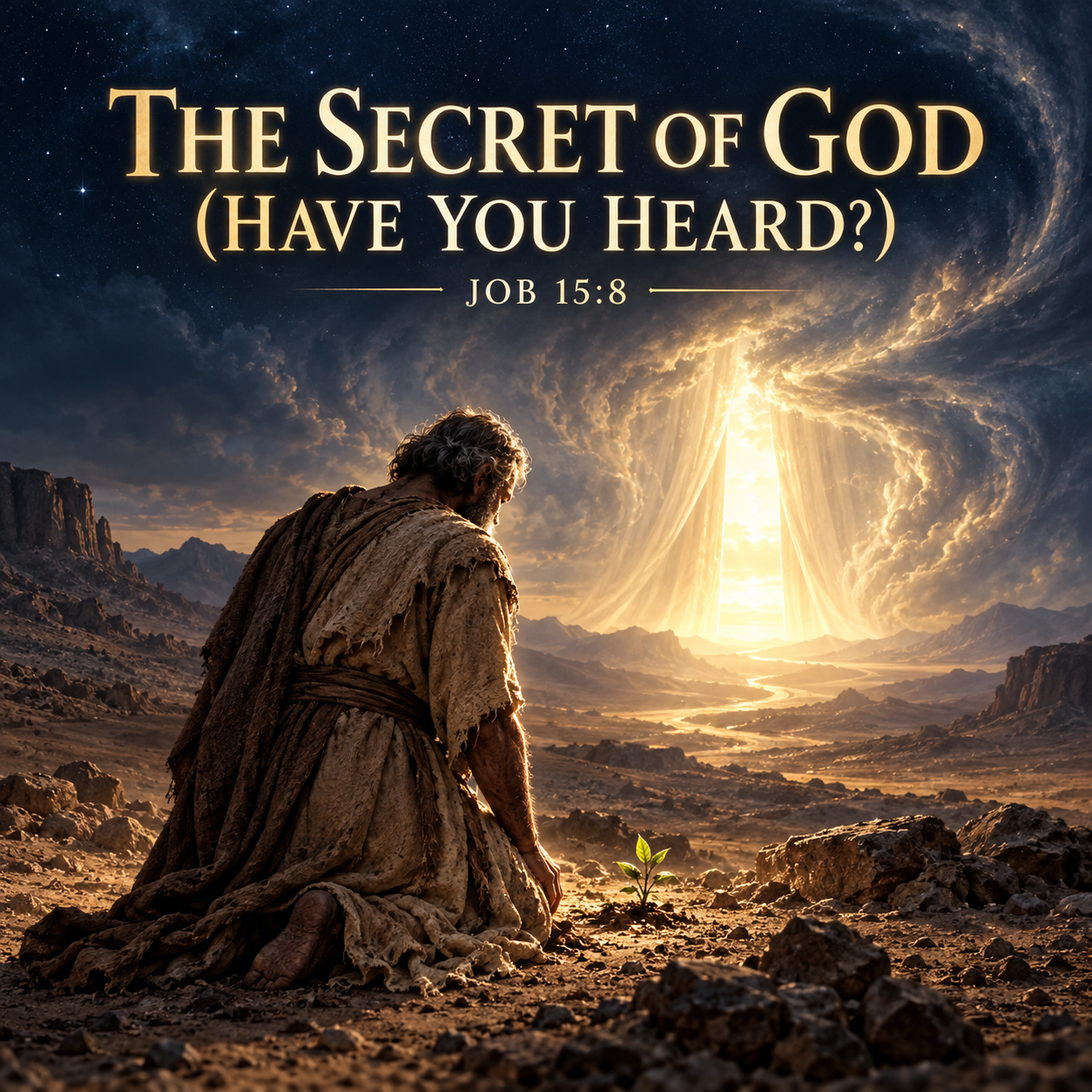
The Secret of God borrows a sharp question from Job: “Hast thou heard the secret of God?” Job loses nearly everything, but suffering does not get the final word. Beneath the questions is his enduring witness that his Redeemer lives—a reminder that faith can survive even when explanations do not come quickly.
Read More
Job 15:8 — “Hast thou heard the secret of God?”
Job 19:25–27 — Job’s witness: “I know that my redeemer liveth”
Job 42:1–6 — Job encounters God beyond the limits of his own understanding
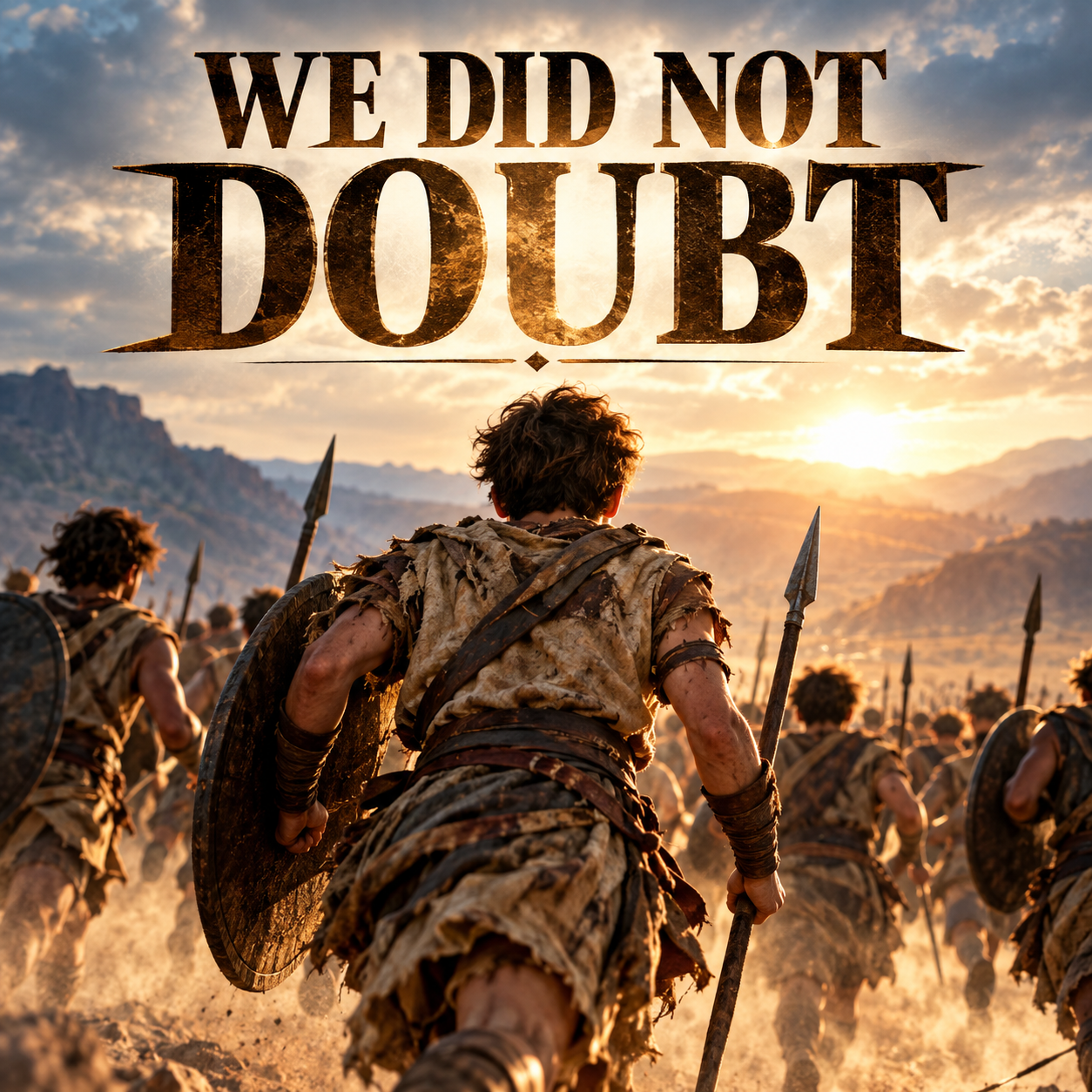
We Did Not Doubt
About This Song
We Did Not Doubt tells the story of Helaman’s young warriors from inside their ranks. Their courage did not come from believing they could never be hurt; it came from trusting what their mothers had taught them about God. Their story is a reminder that faith taught quietly at home can become strength when life suddenly asks something hard of us.
Read More
Alma 56:44–48 — the young warriors choose to fight and remember their mothers’ faith
Alma 57:21, 25–27 — their exact obedience and remarkable preservation

Heart of War
About This Song
Heart of War follows Teancum, one of the Book of Mormon’s fiercest and most complicated warriors. He twice slips into an enemy camp to strike at the man driving the war—first Amalickiah, then Ammoron. The song is less about celebrating violence than about the terrible cost of a conflict that keeps returning, even after one decisive blow seems as if it should have ended it.
Read More
Alma 51:33–37 — Teancum enters Amalickiah’s camp and kills him with a javelin
Alma 62:35–37 — Teancum’s final attempt to end the war by striking Ammoron
Just for Fun
Not every song here is a gospel song. These are lighter stories, love songs, and adventures that were simply fun to write.

More Than Pretty
The Idea
More Than Pretty is a father’s message to a daughter growing into herself: you were never meant to be valued only for how you look, or to shrink yourself into somebody else’s idea of what a girl should be. Be kind, capable, brave, faithful—and fully yourself.
Explore
Daya — “Sit Still, Look Pretty” — a related pop song about refusing to be reduced to simply sitting still and looking pretty

First to the Wall
The Idea
First to the Wall is pure medieval-siege energy: shields up, ladders forward, a wall to breach, and somebody has to be first. It is less a history lesson than a battle chant about courage, momentum, and the terrifying moment when the gate finally gives way.

A World of Our Own
The Idea
A World of Our Own is a love song about two people from different places building something that belongs to both of them. Different countries, awkward beginnings, lean years, family traditions, and ordinary life slowly become a shared world neither one could have made alone.

Charging Into Thunder
The Idea
Charging Into Thunder was inspired by the rhythm and imagery of Tennyson’s “The Charge of the Light Brigade”: horses running into cannon fire, orders already given, and courage carrying men forward when survival is anything but certain. The song turns that famous charge into a close-up story of the few who ride back.
Explore
Alfred, Lord Tennyson — “The Charge of the Light Brigade” — the poem behind the song’s cavalry-and-cannon imagery

Girl, You Make Modest Look Good
The Idea
Girl, You Make Modest Look Good is a playful campus love song about noticing someone who does not need to show more to stand out. The joke is in the checklist; the point is that confidence, personality, standards, and style can be attractive without trying to impress everybody else.
I Bear His Name — Lyrics
Lyric artwork from the project archive.